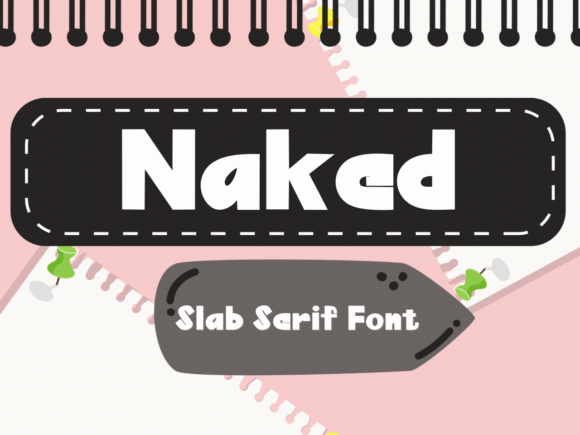
Naked Font: A Bold and Assertive Slab Serif for Modern Design
Fonts are more than just tools for readability—they are visual statements that shape the tone, personality, and impact of a design. Among the many typefaces available today, Naked stands out as a bold and assertive slab serif font with a modern edge. Its clean lines, strong character structure, and distinctive style make it a versatile addition to any designer’s toolkit. This article explores what makes Naked unique, how it compares to other fonts in its category, and when it might be the best choice for your next project.
What Makes Naked Different?
Naked is part of the slab serif family, which is known for its thick, block-like strokes at the beginning and end of characters. Unlike traditional slab serifs, however, Naked has a contemporary feel, blending the classic weight and stability of the genre with subtle geometric influences. It avoids excessive ornamentation while maintaining a sense of authority and presence.
One of the defining characteristics of Naked is its high contrast between thick and thin strokes, which gives it a dynamic appearance without compromising legibility. The font also features balanced spacing and consistent stroke alignment, making it suitable for both digital and print applications. These traits contribute to its adaptability across various design contexts, from branding to editorial layouts.
Strengths of Using Naked
- Bold Visual Impact: Naked commands attention with its strong, confident letterforms. This makes it ideal for headlines, logos, and titles where you want to create a powerful first impression.
- Versatility Across Mediums: Whether used on a website, in a brochure, or on packaging, Naked maintains its clarity and aesthetic appeal. Its ability to scale well ensures that it looks good in both large display sizes and smaller body text (though not recommended for long paragraphs).
- Modern Yet Timeless: While rooted in the slab serif tradition, Naked feels fresh and current. Its design avoids trends that date quickly, offering a stable foundation for projects intended to last over time.
- Excellent for Branding: Many brands rely on typography to communicate their identity. With Naked, you can convey strength, innovation, and approachability all at once—making it a great fit for lifestyle, tech, or fashion-focused brands.
Comparisons and Alternatives
When evaluating fonts like Naked, it's important to consider alternatives that serve similar purposes but may differ in nuance. Fonts such as Playfair Display or Lora offer elegant serif styles but tend to lean more toward the decorative side. In contrast, Naked remains grounded in functionality while still delivering a strong visual punch.
If you're looking for a font with a similar boldness but more rounded edges, Barlow Semi Condensed could be a consideration. However, Barlow lacks the distinct slab serifs that give Naked its signature look. For those who prefer a minimalist sans serif with a bit of edge, Montserrat or Raleway provide excellent options. But if you’re after a font that bridges the gap between traditional and modern, Naked offers a compelling middle ground.
Slab vs. Sans Serif: Choosing the Right Style
Slab serif fonts like Naked have a different purpose compared to sans serif designs. They often evoke a sense of reliability and professionalism, which is why they are popular in industries like finance, technology, and publishing. Sans serif fonts, on the other hand, are typically seen as more modern and clean, fitting well in digital environments or minimalist aesthetics.
Choosing between these styles depends on your design goals. If you want to create something that feels authoritative yet accessible, Naked could be a better option than a typical sans serif. However, for content-heavy websites or user interfaces requiring high readability, a sans serif might still be preferable.
Best-Fit Situations for Naked
Naked shines in specific use cases where its boldness and clarity are assets rather than liabilities. Here are some scenarios where this font could be an ideal match:
- Headlines and Titles: Its strong presence makes it perfect for drawing focus to key messages in posters, advertisements, and landing pages.
- Logo Design: Brands seeking a modern but grounded identity will find Naked particularly effective. Its slab serifs add a touch of gravitas, while the overall design feels fresh and forward-thinking.
- Product Packaging: On physical products, especially in retail or consumer goods, Naked can help establish brand recognition through a memorable typographic presence.
- Editorial Design: When used sparingly in magazine covers, blog headers, or section titles, Naked adds a visual anchor that guides readers through the layout without overwhelming them.
Limitations and Considerations
While Naked is a powerful font, it does have limitations depending on context. For example, due to its heavier weight and serif structure, it may not be the best choice for long blocks of body text. In such cases, pairing it with a lighter, more readable font can balance the design effectively.
Another factor to consider is contextual appropriateness. Although Naked works well in many settings, it may not align with every brand’s voice. A luxury brand might prefer a more refined serif font like Didot or Baskerville, whereas a startup aiming for bold simplicity could benefit from Naked’s no-nonsense style.
Additionally, designers should evaluate how Naked interacts with other elements in the layout. Its assertiveness can clash with overly ornate graphics or soft color palettes. It performs best in environments where it complements the overall design language rather than competes with it.
Accessibility and Readability
Accessibility is a crucial concern in font selection. While Naked is highly readable at larger sizes, using it for small text can lead to decreased legibility. Always test how it appears on different screens and in varying lighting conditions before committing to a full design implementation.
How to Decide if Naked Is Right for You
Selecting the right font involves understanding your audience, your message, and the medium you're working with. Here are some practical questions to ask yourself before choosing Naked:
- Do I need a font that conveys confidence and authority?
- Will the font be used primarily for headings or short phrases rather than body copy?
- Is my target audience likely to respond positively to a bold, modern serif style?
- Does the rest of my design support a font with strong visual character?
Answering “yes” to most of these questions suggests that Naked could be a strong contender for your project. However, it’s always wise to compare it against other fonts in your workflow. Try it alongside a few other slab serifs or even a sans serif to see which one aligns best with your creative vision and functional needs.
Real-World Examples of Naked in Use
To illustrate how Naked can perform in real-world applications, consider the following examples:
- A coffee shop logo uses Naked in uppercase letters for the brand name. The bold slab serifs reinforce the idea of quality and craftsmanship, while the font’s modernity keeps it from feeling outdated.
- An e-commerce landing page features Naked for product names and promotional banners. Its strong presence helps highlight key offerings without needing additional graphic elements.
- A startup’s marketing materials incorporate Naked in headers and call-to-action buttons. The font supports the brand’s energetic yet professional tone.
In each case, Naked serves as a strategic element rather than a background detail. It helps reinforce messaging and brand identity while remaining adaptable enough to suit diverse applications.
Alternatives to Explore
If Naked doesn’t quite fit your project, there are several other fonts worth considering based on your specific needs:
- Work Sans: A clean, neutral sans serif that pairs well with bolder fonts like Naked for contrasting effects.
- Libre Franklin: Offers a more academic or professional tone while maintaining modernity and readability.
- Karla: A softer alternative that balances formality with friendliness, useful in situations where a less aggressive look is desired.
- Merriweather: Provides a refined serif style that may be better suited for long-form reading or literary content.
Each of these fonts brings something different to the table. The key is to identify which characteristics align with your project’s goals and aesthetic preferences.
Final Thoughts on Typography Evaluation
Evaluating a font like Naked requires more than just appreciating its style—it demands a thoughtful analysis of how it functions within a broader design ecosystem. While it excels in creating visual impact and supporting strong brand identities, it’s essential to weigh its strengths against potential tradeoffs, such as its suitability for extended text or its compatibility with certain color schemes and imagery.
By considering these factors and testing the font in real-world scenarios, you can determine whether Naked is the right fit for your needs. Ultimately, the goal of typography is to enhance communication—not distract from it. With its bold and assertive nature, Naked has the potential to do just that when used appropriately.