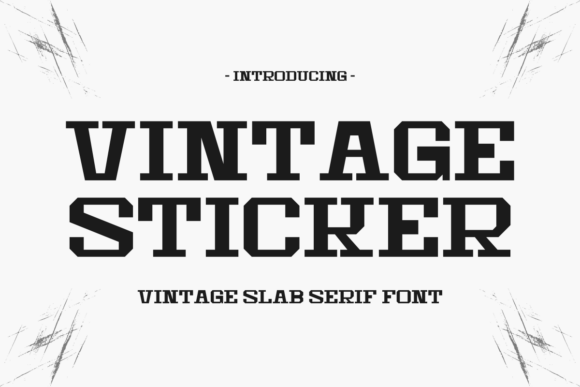
Discover the Power of Absolute: A Bold, Vintage-Inspired Font for Designers
For designers seeking a typeface that exudes strength, nostalgia, and versatility, Absolute stands out as a compelling choice. This condensed slab serif font offers both Regular Solid and Outline styles, making it ideal for projects that demand a bold, athletic, and vintage collegiate aesthetic. Whether you're working on sports branding, retro posters, or college-themed designs, Absolute delivers the visual impact needed to make your work stand out.
The all-caps nature of Absolute gives it a commanding presence, perfect for headlines, logos, and packaging where clarity and authority are essential. Its clean lines and assertive structure ensure readability even at large sizes, while its condensed form allows for efficient use of space in tight layouts. The font's layered styles open up creative possibilities, letting designers experiment with color combinations and textures to achieve a unique, memorable look.
Common Mistakes When Using Absolute
While Absolute is powerful, some users may overlook key details that affect its effectiveness. One common mistake is using the font in contexts where subtlety is required. Because of its bold and condensed nature, Absolute can appear overwhelming in small text or low-contrast environments. For example, using it for body copy in a magazine layout might reduce readability and detract from the overall design.
Another frequent error is failing to consider the difference between the Regular Solid and Outline styles. Some designers may assume they are interchangeable, but each style serves a distinct purpose. The Regular Solid version works best for solid backgrounds or when a strong, unbroken look is needed, while the Outline style shines in situations where transparency or layering is desired. Misusing these styles can lead to a lack of visual cohesion in your project.
Additionally, some users may not explore the full range of applications for Absolute. It's easy to limit its use to sports branding or retro themes, but the font can also be effective in modern, high-energy designs. For instance, a tech startup looking to convey innovation and confidence might benefit from the font's bold, assertive feel. Understanding the font's flexibility helps avoid underutilizing its potential.
How to Avoid Common Pitfalls
To get the most out of Absolute, start by evaluating the context in which you plan to use it. Ask yourself: Does this project require a strong, attention-grabbing typeface? Is the font’s condensed form suitable for the available space? By answering these questions, you can determine whether Absolute is the right fit for your design.
Before finalizing your design, test the font in different scenarios. Try it on various background colors, sizes, and layouts to see how it performs. For example, if you’re designing a logo, experiment with both the Regular Solid and Outline styles to find the one that best complements your brand identity. This approach ensures that the font enhances, rather than hinders, your design goals.
Another practical tip is to pair Absolute with complementary fonts. While it’s a strong standalone typeface, combining it with a simpler, more neutral font can create balance and prevent visual clutter. For instance, using Absolute for headings and a sans-serif font for body text can provide contrast and improve readability without sacrificing style.
What to Check Before Using Absolute
Before downloading or purchasing Absolute, verify that it includes the necessary character sets and language support for your project. If you're working on multilingual content, ensure the font covers all required scripts and symbols. Failing to check this detail could result in missing characters or inconsistent typography across different languages.
Also, consider the licensing terms associated with Absolute. Some fonts may have restrictions on commercial use, redistribution, or modification. Review the license agreement carefully to avoid legal issues down the line. For example, if you plan to use the font in a client project, confirm that the license allows for such usage to prevent unexpected complications.
Finally, assess the font’s performance on different devices and platforms. While Absolute may look great on a desktop monitor, it’s important to ensure it renders clearly on mobile screens and print materials. Testing the font across multiple mediums helps guarantee consistent quality and usability.
Realistic Examples and Better Approaches
Imagine you're designing a varsity jacket for a college sports team. Using Absolute in the Outline style with a gradient fill could add depth and visual interest, while the Regular Solid version would provide a clean, authoritative look for the team name. By choosing the right style for each element, you create a cohesive and impactful design.
Alternatively, if you're creating a retro poster for a music festival, Absolute can serve as the headline font, paired with a vintage-style background and bold colors. This combination captures the essence of a bygone era while maintaining a modern, professional appearance. The font’s ability to blend old and new makes it a versatile tool for a wide range of creative projects.
In another scenario, a small business owner looking to launch a new line of athletic wear might use Absolute for the product packaging. The font’s bold, athletic feel aligns perfectly with the brand’s identity, while its condensed form allows for clear, concise labeling. This thoughtful application of the font strengthens the brand’s visual presence and connects with the target audience.
By understanding the strengths and limitations of Absolute, designers can make informed decisions that enhance their work. Whether you're aiming for a vintage collegiate vibe or a modern, high-impact look, Absolute offers the flexibility and style needed to achieve your design goals effectively. With careful planning and experimentation, this font can become a valuable asset in your creative toolkit.