Hulk: A Powerful Tool for Streamlining Your Design Workflow
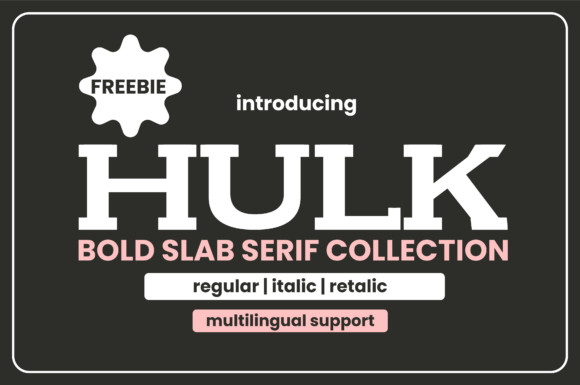
In the world of design, having the right tools can make all the difference. One such tool that has gained popularity among professionals and creatives alike is Hulk. This robust slab serif font collection offers a unique blend of strength and style, making it an excellent choice for a variety of design projects. Whether you're working on a headline, a logo, or a branding campaign, Hulk provides the boldness and clarity needed to make your work stand out.
Understanding where Hulk fits into your broader process is essential. From initial planning to final execution, this font collection can be integrated at various stages of your workflow. Its versatility allows it to be used before, during, or after a project, depending on your specific needs. For instance, when brainstorming ideas for a new brand identity, Hulk can help you visualize how different typographic choices might impact the overall look and feel of your design.
Integrating Hulk into Your Design Process
When it comes to integrating Hulk into your design process, there are several practical steps you can take. First, consider the purpose of your project. If you're aiming for a strong, authoritative presence, Hulk's bold and impactful design elements will serve you well. This is particularly true in industries such as finance, technology, and fashion, where a confident and striking identity is crucial.
Before starting a project, it's important to assess the compatibility of Hulk with your existing design assets. This includes checking how it interacts with other fonts, color schemes, and layout structures. Ensuring that Hulk complements your current design language will help maintain consistency throughout your work. Additionally, consider the usability of the font in different contexts, such as digital versus print media, to ensure it meets your project's requirements.
During the implementation phase, Hulk can be used to create headlines, titles, and logos that demand attention. Its thick-stroked design ensures high visibility, making it ideal for situations where clarity and impact are paramount. Whether you're designing a website, a marketing brochure, or a social media graphic, Hulk can help you achieve a professional and polished look.
Workflow Examples and Practical Tips
Let's explore some real-world scenarios where Hulk can enhance your workflow. Suppose you're working on a branding project for a tech startup. The goal is to create a logo that conveys innovation and reliability. By using Hulk in its Regular or Italic style, you can craft a logo that exudes confidence and authority. Pairing it with a modern sans-serif font for supporting text can create a balanced and cohesive visual hierarchy.
Another example involves a marketing campaign for a vintage-themed product line. Here, Hulk's sturdy and thick-stroked design can add a sense of nostalgia and authenticity. Using the Retalic (inverted italic) style can introduce a unique twist, making your headlines more eye-catching and memorable. This approach not only enhances the visual appeal but also aligns with the theme of your campaign.
To get the most out of Hulk, consider the following tips:
- Experiment with different styles: Try using Regular, Italic, and Retalic to see which one best suits your project's needs.
- Combine with complementary fonts: Pair Hulk with other fonts that complement its boldness without overshadowing it.
- Test in various formats: Ensure that Hulk looks good in both digital and print media by testing it across different platforms.
- Focus on readability: While Hulk is designed to be impactful, make sure it remains readable in different sizes and contexts.
Long-Term Use and Consistency
When incorporating Hulk into your long-term design strategy, maintaining consistency is key. This involves using the font across different projects and ensuring that it aligns with your brand's visual identity. Consistency helps build recognition and trust, making your work more effective and professional.
Additionally, consider the quality control aspects of using Hulk. Regularly review your designs to ensure that the font is being used appropriately and that it contributes positively to the overall aesthetic. This practice can help identify any issues early on and prevent them from affecting future projects.
For teams working on collaborative projects, establishing guidelines for the use of Hulk can streamline the design process. These guidelines should include specifications on font sizes, spacing, and usage scenarios. By creating a shared understanding of how Hulk should be applied, you can ensure that everyone on the team is on the same page, leading to more efficient and cohesive results.
Conclusion
Hulk is more than just a font; it's a powerful tool that can elevate your design work and streamline your workflow. By understanding its strengths and integrating it effectively into your process, you can achieve a professional and impactful visual identity. Whether you're working on a personal project or a business initiative, Hulk offers the versatility and boldness needed to make your designs stand out. With careful planning, thoughtful implementation, and a focus on consistency, Hulk can become an essential part of your design toolkit.