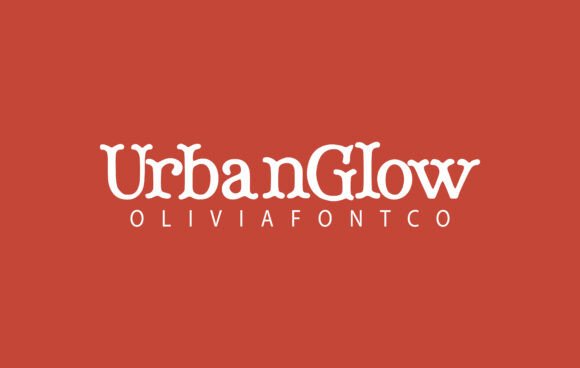
Finnley: A Slab Serif Font with a Romantic Touch
Finnley is a versatile slab serif font that blends traditional typography with a soft, romantic flair. Designed for clarity and elegance, it stands out in both digital and print media due to its unique balance of structure and warmth. The font features bold, block-like serifs combined with flowing curves and subtle details, making it an excellent choice for designers seeking a blend of modernity and classic charm.
Why Consider Finnley?
Designers often look for fonts that can serve multiple purposes without compromising on style or readability. Finnley appeals to those who want a font that feels sophisticated yet approachable. Its legibility at various sizes makes it suitable for body text, while its visual impact also shines in headline applications. Additionally, the romantic undertones of the design make it especially appealing for niche projects like wedding invitations or lifestyle branding.
One of the key reasons someone might be drawn to Finnley is its adaptability across different mediums. Whether used in magazine layouts, social media content, or branded materials, the font maintains its integrity and aesthetic appeal. This flexibility allows it to integrate seamlessly into diverse design ecosystems.
Benefits of Using Finnley
- Legibility: Finnley is crafted with clear letterforms that ensure easy reading even in extended text blocks.
- Visual Versatility: It works well as both a display and body font, reducing the need for multiple typefaces in a single project.
- Romantic Appeal: The subtle curves and refined strokes give it a softer, more emotive quality compared to other slab serifs.
- Professional Presentation: The font's structured baseline and consistent spacing help maintain a polished appearance in editorial and branding contexts.
Potential Tradeoffs and Considerations
While Finnley offers many strengths, there are some factors to consider before choosing it for your project. Its romantic character may not align with every brand’s tone or message. For instance, if you're working on something that requires a strong industrial or minimalist feel, Finnley could come across as overly ornate or mismatched.
Additionally, like all slab serif fonts, Finnley may require careful pairing with secondary typefaces to avoid overwhelming the reader. Its bold nature means it can dominate a layout, so using it in moderation or alongside complementary sans-serif fonts can enhance usability and visual harmony.
Another consideration is its suitability for languages outside English. While it supports a wide range of characters, designers working with non-Latin scripts or requiring extensive diacritics should verify the font’s full language support before committing to it.
When Finnley Is a Strong Fit
Finnley excels in situations where a designer wants to evoke emotion while maintaining professionalism. It is particularly effective in the following scenarios:
- Magazine Headlines: Its bold presence and elegant strokes make it ideal for grabbing attention in print or digital publications.
- Social Media Content: The font adds personality to posts, banners, or promotional graphics without sacrificing clarity.
- Wedding Invitations: The romantic touch of Finnley suits formal event designs, helping create a warm and inviting atmosphere.
- Branding Projects: For brands targeting a lifestyle, fashion, or luxury audience, Finnley can communicate sophistication and charm effectively.
When Alternatives Might Be Better
Although Finnley has broad applications, there are instances where alternative fonts might be more appropriate. If your project demands high contrast or dramatic flair, consider exploring other slab serif options such as Clarendon or Memphis. These fonts may offer a more pronounced architectural style, which could better suit certain design needs.
In highly technical or data-driven environments—such as scientific reports or infographics—a more neutral or functional font may be preferable. In these cases, a sans-serif option like Helvetica or a monospaced font like Courier could provide the necessary clarity and neutrality.
For long-form reading in digital formats, especially on mobile devices, a font with optimized screen rendering might be worth considering. Fonts like Lora or Merriweather have been specifically designed for online readability, offering a smoother experience in web-based content.
Practical Decision-Making Insights
Choosing the right font involves understanding the context, audience, and purpose of your design. When evaluating Finnley, ask yourself the following questions:
- Does the romantic character of Finnley align with the tone I’m trying to establish?
- Will this font perform well across the platforms or mediums where my content will appear?
- Can I pair Finnley effectively with other typefaces to maintain balance and hierarchy in the layout?
- Is the font available in the necessary weights and styles to accommodate different design elements?
These considerations will help you determine whether Finnley is the best fit for your specific use case. Testing the font in real-world applications—such as mockups or prototypes—can also reveal how it behaves under varying conditions and whether it meets your expectations.
Final Thoughts
Finnley is a standout choice for designers who value both aesthetics and functionality. Its combination of legibility, versatility, and emotional resonance makes it a compelling option for a variety of creative endeavors. However, like any font, it is not universally suitable and should be evaluated in the context of your design goals and target audience.
By carefully weighing its benefits and limitations, you can decide if Finnley is the right addition to your typographic toolkit. Remember, the best font is one that enhances your message rather than detracts from it.