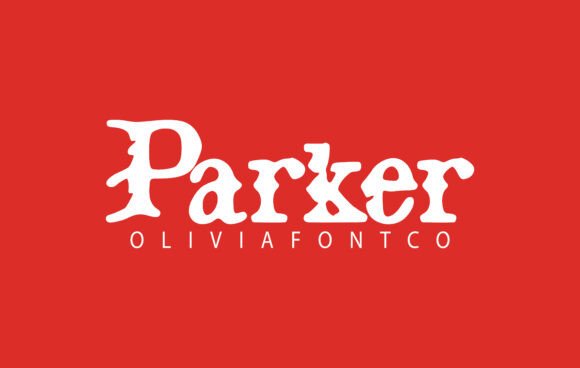
Parker: A Versatile Slab Serif Font with a Romantic Touch
Typography plays a crucial role in visual communication, and selecting the right font can significantly enhance the impact of your design. Parker is an authentic slab serif font that stands out for its unique balance between clarity and charm. Designed to be both professional and expressive, it offers a romantic aesthetic while maintaining strong legibility—making it a valuable asset in a wide range of creative projects.
What Makes Parker Unique?
Slab serif fonts are known for their sturdy, block-like serifs that add a sense of weight and stability to any text. Parker follows this tradition but introduces subtle curves and soft edges that give it a more elegant and romantic feel. The font’s letterforms are clean and structured yet possess a warmth that sets it apart from more rigid or utilitarian slabs like Rockwell or Courier Prime.
One of Parker’s defining characteristics is its exceptional readability at various sizes. This versatility allows it to perform well as both headline and body text, which is not always common among decorative typefaces. Its x-height is generous, and the spacing between characters is balanced, contributing to its usability across different media and platforms.
Design Details That Set It Apart
- Legible Structure: The geometric foundation of Parker ensures that each character remains clear and recognizable, even when used in smaller sizes.
- Romantic Flourish: While not overly ornate, Parker features slight stylizations such as softened terminals and gentle curvature in ascenders and descenders, adding a touch of elegance without sacrificing professionalism.
- Neutral Tone with Personality: Unlike some highly stylized fonts that limit use cases due to their distinctiveness, Parker maintains a neutral tone that adapts well to branding, editorial work, and event design.
Comparing Parker with Other Typefaces
When choosing a font, it's important to understand how it fits within the broader landscape of typography. Parker sits comfortably in the intersection between traditional slab serifs and modern sans-serif designs. Here’s how it compares with other similar options:
Headline vs. Body Text Fonts
Many slab serif fonts excel in headlines but struggle with long-form reading. Parker, however, is crafted with attention to both roles. For instance, fonts like Clarendon or Playfair Display may offer a more dramatic appearance but can become tiring when used for extended passages. In contrast, Parker retains its charm while ensuring that paragraphs remain easy on the eyes.
Modern vs. Traditional Styles
Fonts such as Montserrat or Raleway bring a contemporary, minimalist edge that appeals to digital-first brands. However, these sans-serif options often lack the timeless appeal that Parker provides. If you're looking for something that feels grounded yet fresh, Parker bridges the gap between old-world typography and modern design sensibilities.
Strengths and Tradeoffs of Using Parker
Like all fonts, Parker has its strengths and limitations. Understanding these will help you determine if it aligns with your project’s goals.
Strengths
- Adaptability: Parker works well in print and digital formats, from magazine layouts to website headers.
- Emotional Resonance: Its romantic undertones make it ideal for themes related to love, lifestyle, fashion, or anything requiring a warm, inviting tone.
- Professional Credibility: Despite its softer edges, Parker conveys authority and trustworthiness—important traits for branding and editorial content.
Tradeoffs
- Not Ideal for All Contexts: While Parker is versatile, it may not suit every niche. For example, tech startups or minimalist web designs might prefer a sharper, more angular sans-serif font instead.
- Subtle Styling Can Be Overlooked: Because Parker doesn’t have bold, eye-catching embellishments, it may not stand out in contexts where high contrast or ornamentation is desired.
Best-Fit Situations for Parker
Parker shines in scenarios where legibility and emotional tone are equally important. Below are several examples of when it could be the perfect choice:
Magazine Headlines and Articles
In editorial design, especially for magazines focused on lifestyle, travel, or culture, Parker adds a refined touch without overwhelming the reader. Its ability to serve as both a title and body font streamlines the design process, reducing the need to switch between multiple typefaces.
Wedding Invitations and Event Design
The romantic essence of Parker makes it particularly suitable for wedding invitations, announcements, and event posters. It brings sophistication and a personal touch, helping set the mood for special occasions. Whether printed on elegant cardstock or displayed digitally, Parker enhances the overall aesthetic with grace and clarity.
Branding and Marketing Materials
For brands that want to communicate warmth and reliability, Parker can serve as a primary or secondary typeface. It pairs well with more modern fonts in multi-typeface branding systems, offering contrast without clashing. Think of boutique retailers, artisanal products, or lifestyle brands that value personality alongside professionalism.
Social Media and Web Content
On social media platforms and websites, Parker performs admirably as a header font. Its structure ensures that posts remain visually engaging, while the romantic flair helps create a memorable brand identity. When using Parker online, consider pairing it with a clean sans-serif for body text to maintain contrast and hierarchy.
When Parker Might Not Be the Best Choice
Although Parker is highly adaptable, there are instances where alternative fonts may be more appropriate. Consider the following scenarios:
- High Contrast or Bold Statements: If your design requires maximum visual impact, such as in graffiti-style art or large-scale signage, a bolder slab serif or a display font with more pronounced strokes would likely be more effective.
- Technical or Financial Documents: In formal reports, technical manuals, or financial statements, more neutral and monospaced fonts may be preferred to avoid distractions and ensure uniformity.
- Fast-Reading Interfaces: On websites where quick scanning is essential (e.g., dashboards, infographics), a simpler sans-serif like Open Sans or Lato might be more user-friendly.
How to Evaluate Parker for Your Needs
Choosing the right font involves more than just aesthetics—it’s about functionality, context, and audience. Here are a few factors to consider when evaluating Parker for your next project:
- Test Across Devices: Ensure that Parker looks consistent and readable on desktops, tablets, and mobile screens. This is especially important for web-based applications.
- Consider Color and Background: The romantic feel of Parker can be amplified or muted depending on color choices and background textures. Experiment with different combinations to see what works best for your message.
- Check Licensing and Usage Rights: Before committing to Parker, review its licensing agreement to confirm whether it supports your intended use—especially for commercial projects or large print runs.
- Pair with Complementary Fonts: If you’re using Parker as a headline font, find a supporting body font that complements its style. Look for something with a similar x-height and stroke contrast to maintain harmony in your design.
Realistic Examples of Parker in Use
To better understand how Parker functions in practice, let’s look at a few real-world examples:
Example 1: Lifestyle Magazine Layout
A wellness magazine uses Parker as the main headline font for its monthly issue. The romantic curves of the font complement the imagery of nature and self-care, while the font’s readability allows for seamless transitions into body copy. This approach reinforces the brand’s tone and keeps the reader engaged throughout the publication.
Example 2: Wedding Invitation Suite
A designer creates a wedding invitation suite using Parker for the main titles and key phrases. The font’s softness evokes a sense of intimacy and elegance, making it ideal for handwritten elements like the couple’s names and venue details. Supporting text is handled by a lighter, more delicate script to maintain balance and highlight the romantic theme.
Example 3: Brand Identity for a Coffee Shop
A local coffee shop adopts Parker as part of its branding materials, including signage and packaging. The font gives the brand a cozy, artisanal feel that resonates with customers seeking a welcoming environment. It also blends well with photography of coffee beans and pastries, enhancing the overall visual narrative.
Alternatives to Consider
If Parker isn’t quite the match for your needs, here are a few alternatives that share some of its qualities:
- Libre Baskerville: A classic serif font with a slightly romantic feel, great for long-form reading but less suited for bold headings.
- Barlow Semi Condensed: A modern sans-serif option that offers excellent readability and a professional look, though it lacks the romantic nuance of Parker.
- Cormorant Garamond: A transitional serif that strikes a balance between elegance and clarity, useful for editorial and branding work.
Each of these fonts serves different purposes and audiences, so it’s worth testing them alongside Parker to see which one aligns most closely with your vision.
Making an Informed Decision
Selecting the right font is a nuanced decision that affects everything from brand perception to user experience. Parker offers a compelling blend of romance, clarity, and adaptability, making it a strong contender for many design challenges. However, it’s essential to weigh its benefits against your specific requirements and test it in real-world applications before finalizing your choice.
By considering the context of your project, the needs of your audience, and the overall design ecosystem, you can determine whether Parker is the best fit or if another font might better serve your goals. Always prioritize legibility, consistency, and emotional resonance when choosing typography—and remember that the right font can elevate your message in ways you never imagined.