Lowest Point: A Bold Typography Choice for Purposeful Design
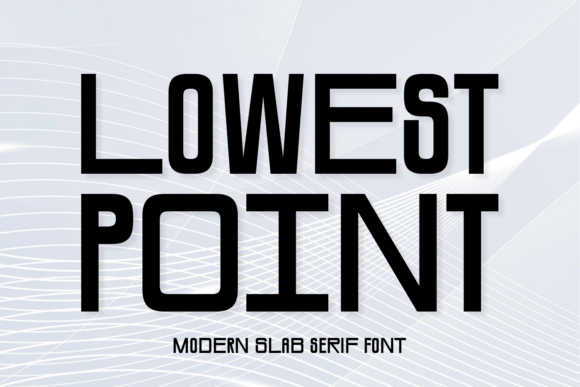
Typography is more than just text—it’s a strategic design element that communicates tone, intent, and identity. Among the many font options available to professionals and creatives, Lowest Point Slab Serif Fonts stand out as a versatile and impactful choice. These fonts combine the strength of slab serifs with a modern edge, making them ideal for a wide range of applications. Whether you’re crafting a compelling brand identity, designing eye-catching promotional materials, or creating meaningful personal projects, Lowest Point offers a unique visual language that can elevate your message.
The Strategic Value of Slab Serifs in Modern Design
Slab serif fonts have long been associated with authority, reliability, and boldness. The Lowest Point family builds on these strengths while introducing a contemporary twist. Its blocky, weighted strokes provide excellent legibility even at smaller sizes, which makes it highly functional for both digital and print media. For entrepreneurs and marketers, this means they can use it across multiple platforms—from website headers to product packaging—without compromising clarity or style.
In branding, the right font can define how an audience perceives a company. Lowest Point conveys a sense of grounded confidence, making it especially useful for businesses that want to project stability and authenticity. Unlike overly ornate scripts or minimalist sans-serifs, Lowest Point balances professionalism with personality, allowing brands to feel approachable yet authoritative.
When to Use Lowest Point in Your Projects
Choosing when to deploy Lowest Point requires intentionality. Here are some scenarios where it shines:
- Book Covers and Publications: The weight and structure of Lowest Point make it perfect for titles and chapter headings in books, magazines, or blogs. It commands attention without overwhelming the reader.
- Branding Materials: From logos to business cards, this font adds a touch of gravitas. It’s particularly effective for industries like food, fashion, and lifestyle where warmth and character matter.
- Craft Projects and Personal Creations: If you're working on greeting cards, Father’s Day designs, or any heartfelt project, Lowest Point brings emotional resonance through its strong yet readable form.
- Product Labels and Packaging: Its clean lines and distinct character help products stand out on shelves, supporting quick recognition and brand recall.
- School Projects and Educational Content: Teachers and students alike can benefit from using this font to create engaging posters, presentations, and classroom materials.
How Thoughtful Font Selection Supports Brand Positioning
Font choices often reflect deeper strategic goals. When used thoughtfully, Lowest Point can support several key areas of positioning:
- Communication Clarity: In environments where readability is crucial, such as signage or infographics, this font ensures that your message is not only seen but understood.
- Visual Consistency: Maintaining a consistent typographic voice across all brand touchpoints reinforces trust. Lowest Point works well alongside other complementary fonts to build a cohesive system.
- Emotional Impact: The font's structured yet warm aesthetic allows it to carry messages of sincerity and strength, essential for storytelling and customer engagement.
- Adaptability Across Languages: With multilingual support, Lowest Point is a smart choice for international campaigns or diverse audiences, ensuring that linguistic diversity doesn’t compromise design integrity.
Consider the case of a local coffee shop launching a new line of artisanal blends. By incorporating Lowest Point into their logo and packaging, they signal quality and craftsmanship. The same font could later be used in social media posts, flyers, and store displays, reinforcing their brand narrative with a unified visual identity.
Integrating Lowest Point into Creative Workflows
To get the most out of Lowest Point, it’s important to understand how to integrate it effectively into your workflow. Start by defining the purpose of your design. Are you aiming to convey tradition, innovation, or something in between? Once you’ve clarified your objective, test the font in different contexts to see how it performs.
For instance, if you're designing a magazine layout, pair Lowest Point with a lighter sans-serif for body text. This contrast creates a visual hierarchy that guides the reader through the content smoothly. Similarly, in greeting card designs, use it sparingly to highlight key phrases or names, letting the rest of the text breathe.
Another practical tip is to consider spacing and alignment. Slab serifs can sometimes appear heavy if not given enough room. Adjusting letter and word spacing will help maintain balance and enhance legibility. Also, don’t hesitate to experiment with color and texture—these fonts work beautifully in both monochrome and vibrant settings.
Risks of Using Lowest Point Without Clear Direction
While Lowest Point is adaptable, it’s not a one-size-fits-all solution. Using it randomly or without considering the broader design context can lead to unintended consequences. For example, pairing it with too many decorative elements may dilute its impact, or using it in small body text could reduce readability.
There’s also the risk of misalignment with your brand values. If your brand identity leans toward minimalism or high-tech aesthetics, a slab serif like Lowest Point might feel out of place. Always ensure the font aligns with the overall look and feel of your brand and resonates with your target audience.
Before implementing Lowest Point in a large-scale project, run a few tests. Create mockups and gather feedback from colleagues or users. This step helps avoid costly rework and ensures the font enhances rather than hinders your communication goals.
Planning Tips for Effective Font Implementation
Here are some actionable planning tips to help you use Lowest Point strategically:
- Define the Project’s Tone: Does the font match the mood you want to set? Consider whether it supports themes of heritage, boldness, or simplicity.
- Establish Hierarchy Early: Decide where the font will be used—headlines, subheadings, call-to-action buttons—and plan accordingly to maintain a clear visual flow.
- Test Across Media: Ensure the font looks good in both digital and print formats. Pay special attention to how it renders on screens versus paper.
- Balance with Other Elements: Use white space, imagery, and color to complement the font and prevent visual clutter.
- Stay Educated: Keep up with trends and best practices in typography. Understanding how fonts influence perception can guide better decisions over time.
Long-Term Benefits of Choosing the Right Font
Investing time in thoughtful font selection pays dividends in the long run. Lowest Point, when applied correctly, contributes to a stronger brand identity and improved user experience. Over time, this leads to greater recognition and loyalty among customers.
Additionally, the font supports creativity and productivity. Because of its versatility, it reduces the need to switch between multiple typefaces for different projects, streamlining your design process. This efficiency is invaluable for freelancers, educators, and small business owners who juggle various creative tasks daily.
Take, for example, a freelance graphic designer who uses Lowest Point across client portfolios, invoices, and social media profiles. The consistency not only reinforces their professional image but also saves time during revisions and updates. This intentional use of typography becomes part of their creative strategy, helping them deliver polished, memorable work consistently.
Real-World Use Cases and Examples
Let’s explore some real-world examples of how Lowest Point has been used effectively:
- Magazine Layouts: Used in headline sections to draw readers in with a bold yet elegant presence.
- Event Posters: Applied in title blocks to emphasize key details like event names or dates.
- Website Headers: Employed for navigation menus and feature titles to establish a strong first impression.
- Greeting Cards: Featured in personalized messages to add a handwritten feel with a modern edge.
- T-Shirt Designs: Utilized for impactful slogans or brand logos, standing out in a crowd with its distinctive shape.
These applications demonstrate the font’s ability to adapt while maintaining a consistent level of quality and impact. The key is understanding the specific role it plays in each context and leveraging that to achieve your goals.
Beyond Aesthetics: How Fonts Influence Decision-Making
Fonts aren't just about how something looks—they influence how people think and act. Studies show that certain typefaces can increase perceived credibility or encourage quicker decision-making. Lowest Point, with its strong and confident appearance, can subtly reinforce trust in your message.
For marketers, this means choosing the right font can improve conversion rates. A well-designed call-to-action button using Lowest Point might perform better than one using a generic typeface because it visually signals importance and urgency.
For educators and presenters, the font can help emphasize key points in slides or handouts, making information easier to digest and remember. In publishing, it can serve as a subtle cue to signal depth and seriousness, encouraging readers to engage more deeply with the content.
Strategic Observations for Better Outcomes
Here are a few observations to keep in mind as you incorporate Lowest Point into your projects:
- Use it to Signal Importance: Apply the font to headlines or key statements where you want to emphasize value or significance.
- Align with Brand Voice: Make sure the font reflects the personality of your brand—whether it’s bold and assertive or warm and inviting.
- Plan for Scalability: Choose weights and styles within the Lowest Point family that can scale across devices and formats without losing quality.
- Combine with Purpose: Pair it with complementary fonts that support the overall message rather than compete for attention.
- Measure the Impact: After implementation, observe how your audience responds. Strong typography should enhance, not distract from, your message.
By treating typography as a strategic tool rather than just a stylistic choice, you can unlock new levels of effectiveness in your communications. The 7ntypes font family, including Lowest Point, is designed with this kind of intentionality in mind.
Final Thoughts on Intentional Typography
Typography is a powerful asset in any creative or business toolkit. When you choose fonts like Lowest Point with care, you’re not just improving the look of your work—you’re shaping how your message is received and remembered.
Whether you're enhancing a brand, simplifying a school project, or adding a personal touch to a gift, the right font can make all the difference. Let Lowest Point be more than a design choice; let it be a strategic move that supports your vision and delivers lasting results.