Nature as a Strategic Element in Design and Communication
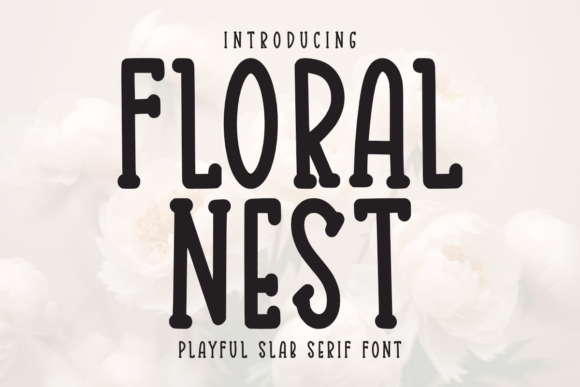
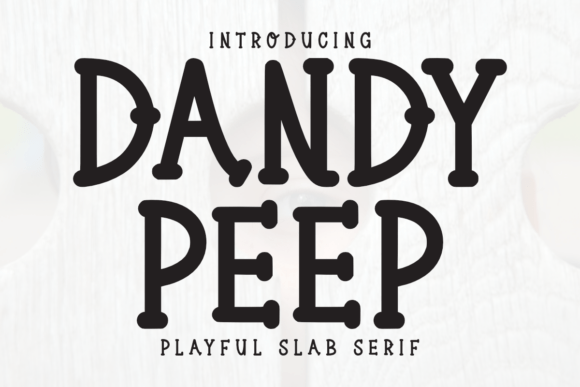
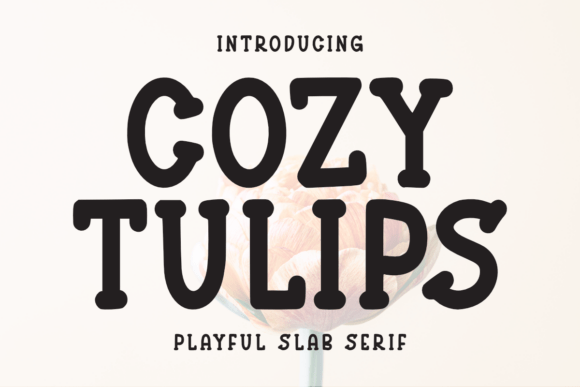
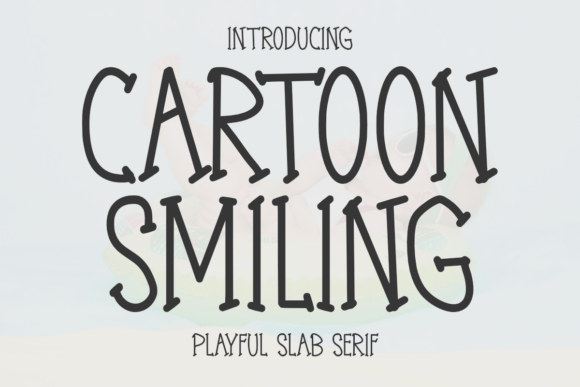
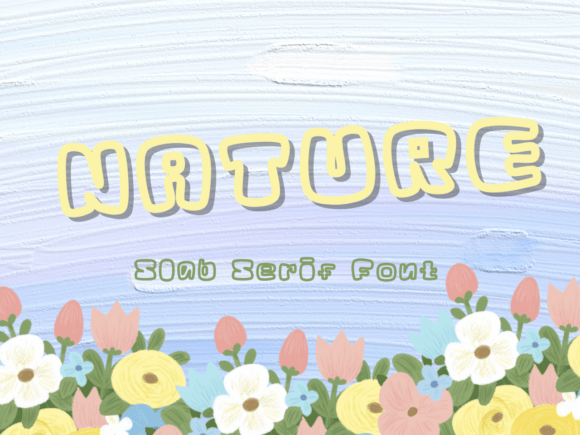
When it comes to design, branding, and communication, the right font can make all the difference. Nature, a cute and colorful slab serif font, offers more than just aesthetic appeal—it’s a strategic tool that can enhance engagement, simplify planning, and elevate creative outcomes. Its playful yet authentic tone makes it especially useful for projects involving children or educational content, but its applications extend far beyond those realms when used thoughtfully.
Why Nature is a Valuable Design Choice
Nature stands out with its chunky letterforms and vibrant character set, which together create a sense of warmth and approachability. Slab serif fonts are traditionally associated with reliability and clarity, but what sets Nature apart is its infusion of color and whimsy. This combination can help brands and educators connect with their audiences on an emotional level while maintaining legibility and professionalism.
In the context of marketing and branding, especially for niches targeting families, schools, or creative industries, using Nature can signal a brand’s commitment to joy, authenticity, and innovation. For instance, a startup launching a line of eco-friendly toys might use this font to reflect both sustainability and childlike wonder in their promotional materials.
Use Cases Where Nature Shines
- Children's Activities: From party invitations to classroom posters, Nature brings energy and charm to any visual element aimed at young audiences.
- Education Projects: Teachers and educational designers can leverage the font to create engaging worksheets, flashcards, and presentations that capture attention without overwhelming it.
- Brand Positioning: A small business looking to differentiate itself through a bold yet friendly visual identity could incorporate Nature into logos, social media posts, or packaging.
- Creative Workshops: Whether you’re organizing a DIY craft session or a summer camp, using Nature in your signage or handouts can foster a sense of creativity and excitement.
Integrating Nature Into Your Planning and Branding Strategy
To use Nature effectively, start by aligning it with your overall strategy. Ask yourself: What message am I trying to convey? Who is my audience? How will this font support or detract from my goals?
If your objective is to build trust and familiarity with a younger demographic, Nature may be ideal. However, if your project requires a more formal or minimalist tone, such as a corporate report or legal document, it may not fit well. The key is to match the font’s personality with your intended outcome.
A practical example is a publishing company creating a new line of illustrated storybooks for toddlers. By using Nature for chapter titles and headings, they immediately establish a playful and inviting tone. This choice supports their long-term goal of building a recognizable and beloved brand in the early childhood market.
Strategic Tips for Using Nature Thoughtfully
- Define the Purpose First: Before applying Nature to a design, clarify the purpose of the content. Is it for education, promotion, or entertainment? Each serves different needs and calls for different typographic choices.
- Pair It with Complementary Fonts: While Nature is bold and eye-catching, it works best when balanced with simpler, sans-serif or monospace fonts for body text. This helps maintain readability and hierarchy.
- Consider Color Psychology: Since Nature includes colorful options, choose hues that align with your brand’s values or the emotion you want to evoke. Soft pastels suggest calmness, while brighter tones energize and excite.
- Test Across Platforms: Ensure that the font remains legible and appealing across various devices and screen sizes. Chunky fonts can sometimes lose impact when scaled down.
- Use Sparingly for Maximum Effect: Overuse can dilute the impact of the font. Reserve it for headlines, call-to-action buttons, or other elements where you want to draw attention.
How Nature Enhances Creativity and Productivity
Designers and creators often rely on typography to spark inspiration and streamline workflows. Nature, with its unique style, can act as a catalyst for creativity. Its distinctiveness encourages thinking outside the box, which is especially valuable in brainstorming sessions or during the ideation phase of a project.
Moreover, because the font is visually engaging, it can improve productivity by making tasks feel more enjoyable. For example, a teacher designing a weekly lesson plan might find that using Nature in headers increases their enthusiasm and motivation, translating into more dynamic teaching methods and student interactions.
Long-Term Benefits of Thoughtful Font Choices
Typography isn’t just about how something looks—it’s about how it feels and functions over time. When you choose a font like Nature intentionally, you contribute to a consistent and memorable brand identity. Consistency in visual language builds recognition and trust, which are crucial for long-term success.
Imagine a nonprofit organization focused on environmental awareness. They could use Nature in their campaign visuals to represent growth, diversity, and a connection to the natural world. Over time, this intentional use reinforces their mission and strengthens their positioning in the market.
Risks of Using Nature Without Clear Context
Despite its many advantages, using Nature without a clear understanding of your goals can lead to misalignment and confusion. A font with strong personality should serve a specific function rather than being applied randomly. If you use it too frequently or in inappropriate contexts, it may come off as unprofessional or even jarring to your audience.
For instance, a law firm using Nature in their official documents would likely undermine their credibility. The same goes for a luxury brand that uses it in high-end product descriptions—unless the brand has a very niche, playful positioning, it could clash with expectations of elegance and sophistication.
To avoid these pitfalls, always consider the context and audience. Ask whether the font enhances or distracts from your message. Does it help achieve your communication objectives, or does it risk overshadowing important information?
Planning for Intentional Typography Use
Here’s a simple framework to guide your use of Nature and similar fonts:
- Assess Audience Needs: Are you designing for kids, parents, professionals, or hobbyists? Each group responds differently to visual cues.
- Align with Brand Voice: Does your brand speak playfully, formally, or somewhere in between? Choose typography that reflects that voice.
- Establish Visual Hierarchy: Use Nature for emphasis, not everything. Let it highlight key messages or actions without overwhelming the rest of the design.
- Evaluate Legibility: Even the most charming fonts must remain readable. Test how Nature performs in different sizes and weights before finalizing designs.
- Track Outcomes: Monitor how your audience reacts to the font in real-world use cases. Adjust based on feedback to optimize results.
Realistic Applications for Small Businesses and Creators
Small businesses and independent creators often work with limited resources, making smart design choices essential. Nature can be particularly beneficial in low-budget campaigns where visual appeal is critical for standing out.
A local bakery promoting a kids’ birthday cupcake class might use Nature in their email newsletters and event flyers. The font adds a touch of fun and relatability, encouraging parents to engage with the content and book a session. Similarly, a YouTuber creating content for young viewers can use Nature in thumbnails and captions to reinforce a lighthearted, family-friendly vibe.
Examples of Effective Use
- School Supplies Store: Used Nature in promotional banners for back-to-school sales to attract families and students with a cheerful, modern look.
- DIY Craft Blog: Incorporated the font into tutorial titles and section headers to make the content more inviting and easy to follow.
- Summer Camp Website: Applied Nature to activity names and daily schedules, helping campers and parents quickly identify engaging options.
Beyond Aesthetics: Nature as Part of a Larger Creative Ecosystem
Typography is part of a larger creative ecosystem that includes color schemes, imagery, layout, and messaging. Nature fits well within environments that emphasize accessibility, positivity, and community. It can also complement nature-themed content, such as gardening guides, outdoor adventure promotions, or wellness retreats.
One strategic observation is that fonts like Nature tend to resonate better in content-rich environments where the reader is already emotionally engaged. For example, a blog post about sustainable living might use the font in subheadings to break up dense text and keep readers interested.
Creating Cohesion with Other Elements
Think about how Nature interacts with other parts of your design:
- Color Schemes: Pair the font with earthy tones for a grounded effect, or bright colors to maximize its energetic quality.
- Imagery: Use it alongside photos of children, animals, or nature scenes to enhance the thematic consistency.
- Layout: Balance its bold presence with clean white space to prevent visual clutter and maintain focus.
Decision-Making Guidance for Typographic Choices
Choosing a font is a decision-making process that impacts every aspect of your design—from user experience to brand perception. With Nature, the question becomes: How can we use this font to support our goals while staying true to our audience’s preferences?
Here’s a quick checklist to ensure you're making the right call:
- Does the font reflect the desired tone of the project?
- Is it appropriate for the target age group or demographic?
- Will it stand out enough without becoming distracting?
- Does it align with existing brand guidelines or create a new one with intention?
- Can it be applied consistently across multiple platforms and formats?
By answering these questions upfront, you’ll reduce the risk of poor implementation and increase the chances of achieving meaningful outcomes.
Final Thoughts on Strategic Font Application
The Nature font is more than just a decorative choice—it’s a tool that, when used strategically, can influence perception, drive engagement, and support long-term branding efforts. Its strength lies in its ability to balance cuteness with clarity, making it suitable for a wide range of applications.
Whether you're planning a school project, launching a new product, or rebranding an existing one, consider how Nature can add value. But remember: thoughtful application is key. Align the font with your goals, test its performance, and let it serve your message rather than overshadow it.
With the right approach, Nature can become a powerful ally in your creative toolkit—one that brings life to your designs and connects with your audience in a way that feels both professional and personal.