Bunny Glider: A Playful Slab Serif Font for Joyful Design Projects
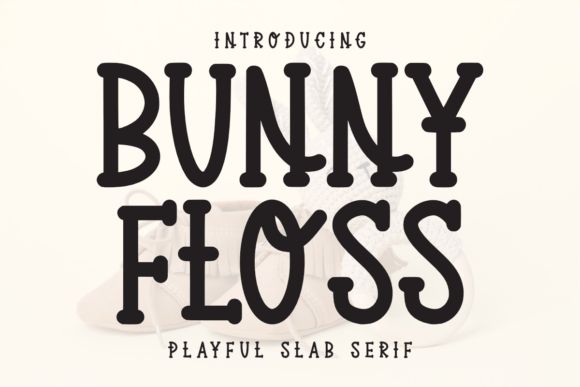
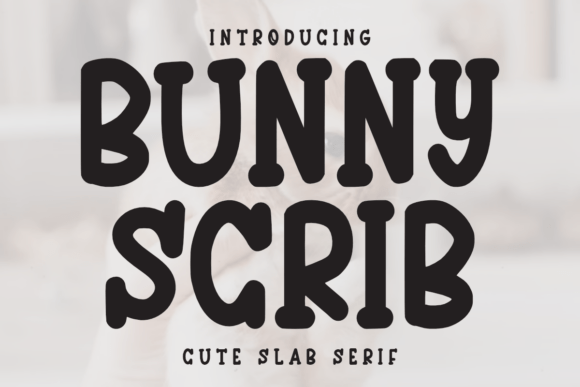
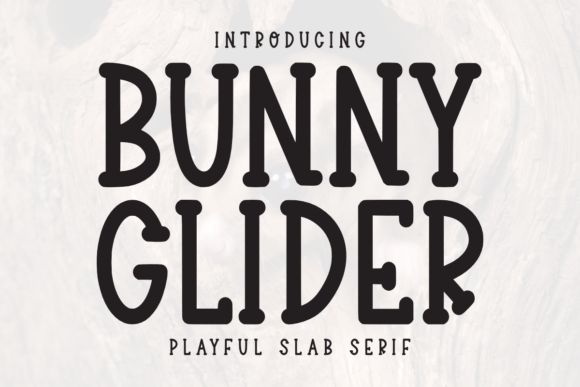
When it comes to design, the right font can make all the difference. It’s not just about legibility—it's about setting the tone and capturing attention. Bunny Glider is a quirky and cheerful slab serif font that brings energy and charm to any project. Its playful proportions and chunky slab ends make it ideal for storybooks, children's games, posters, and other creative materials that need a fun and engaging vibe.
What Is Bunny Glider and When Should You Use It?
Bunny Glider stands out with its bold, eye-catching style and friendly personality. As a slab serif typeface, it combines the classic readability of serifs with the modern, bold feel of sans serifs. This makes it versatile enough to work in both digital and print environments while maintaining a sense of whimsy.
This font fits best into workflows where visual appeal and emotional impact are key. Think of it as a tool that enhances your message by making it more inviting and memorable. It's especially useful when designing for younger audiences or projects that aim to inspire joy and creativity.
Before Starting Your Project
Before diving into your design, consider how Bunny Glider aligns with your overall brand or project identity. Ask yourself:
- Does this font support the tone I want to set?
- Will it complement the images and colors I plan to use?
- Is it appropriate for the target audience—especially if they’re children or families?
It’s also wise to check compatibility with your preferred design tools. Most professional fonts like Bunny Glider will work seamlessly with Adobe Creative Suite, Canva, Figma, and other platforms used by designers and marketers. If you're working across multiple formats (print and web), confirm whether the font supports OpenType features or has web-ready versions available.
Using Bunny Glider During the Design Process
Once you've decided on using Bunny Glider, integrate it into your layout with intention. Here are some practical tips for implementation:
- Start with headlines: Use Bunny Glider for titles and headers to immediately grab attention. Its boldness works well at large sizes, which is perfect for posters, banners, and book covers.
- Pair it with complementary fonts: For body text, pair Bunny Glider with a simpler sans serif or a clean monospace font to maintain readability without losing the playful aesthetic.
- Test different weights: Many slab serif fonts come in multiple weights. Check if Bunny Glider offers variations like light, medium, or bold to suit different sections of your design.
- Use color strategically: The font’s chunky structure can handle vibrant colors, so don’t shy away from using them to enhance the joyful tone.
For educators creating interactive learning materials or publishers producing illustrated books, Bunny Glider adds a layer of engagement that helps break up dense text and keeps readers interested. It can be used to highlight key points, create character names, or even form part of a mascot or logo.
Integration with Other Tools and Assets
Bunny Glider integrates smoothly into most design ecosystems. Here’s how it plays well with others:
- Adobe Photoshop & Illustrator: Import the font directly into these tools for high-quality print and digital assets.
- Canva: Upload the font file if it’s not already available in the library, then apply it to text boxes for quick designs.
- Figma: Install via plugin or upload custom font files to keep team members aligned visually during collaborative projects.
- Web Development: If you're embedding the font online, ensure you have a web license and use @font-face declarations properly to avoid loading issues.
Additionally, Bunny Glider can be paired with vector illustrations, bright gradients, and hand-drawn textures to build a cohesive look that feels handmade yet polished. The font’s unique character shapes can also help guide your illustration choices—opting for similar stylized elements can unify your design.
After the Project: Long-Term Use and Organization
After completing a project, it’s important to organize your font usage for long-term efficiency. If you plan to reuse Bunny Glider in future campaigns or publications, store it in a centralized font library accessible to your team or clients. This ensures consistency across materials and saves time from repeatedly downloading or sourcing the same asset.
Also, consider creating a style guide that outlines how Bunny Glider should be applied—such as line spacing, color schemes, and recommended pairings. This is particularly valuable for small business owners or entrepreneurs who want to maintain a consistent brand identity over time.
Quality Control and Consistency
To maintain quality, always preview Bunny Glider in various contexts before finalizing your design. Test it on different screen sizes, print resolutions, and background colors to ensure it remains legible and effective. If you're working with a client or partner, send them mockups early to get feedback on the font choice and alignment with their expectations.
Consistency is another factor to manage. Avoid mixing too many different styles with Bunny Glider unless purposefully contrasting for emphasis. Stick to a limited palette of colors and layouts to preserve the font’s charm and prevent cluttered visuals.
Workflow Examples with Bunny Glider
Here are a few real-world examples of how Bunny Glider can fit into common design workflows:
Example 1: Children’s Book Design
A children’s book designer might start by selecting Bunny Glider as the main title font. They could pair it with a soft, rounded sans serif for body text and use pastel backgrounds to create a warm, inviting atmosphere. Throughout the process, they’d test the font in different chapter headings and character names to ensure it enhances the story rather than distracts from it.
Example 2: Marketing Poster for an Event
A local event planner needs to create a poster for a family-friendly festival. They choose Bunny Glider for the headline due to its bold and cheerful nature. To streamline the workflow, they create a template with predefined text layers and guidelines for using the font effectively. This allows quicker turnaround times and maintains a professional look across all promotional materials.
Example 3: Branding for a Toy Company
When building a brand identity for a toy company, Bunny Glider becomes the go-to font for product labels and packaging. The designer sets up a naming convention for font use (e.g., "Bunny_Glider_Title" and "Bunny_Glider_Tagline") and shares the files through a cloud-based platform like Google Drive or Dropbox. This keeps everyone on the team using the correct version and avoids confusion later in production.
Preparation Tips for Smooth Implementation
Integrating a new font like Bunny Glider into your workflow requires a bit of preparation. Here are some steps to take before full deployment:
- Download and install: Make sure you have the correct license and install the font locally for easy access.
- Check system requirements: Verify that your operating system and software versions support the font format (TTF or OTF).
- Review glyphs and ligatures: Explore the font’s special characters and ligatures to discover additional ways to customize your text.
- Back up font files: Store a copy in your project folder or cloud storage to ensure availability for future edits.
By preparing in advance, you’ll reduce the risk of last-minute hiccups and ensure that Bunny Glider performs reliably throughout the design lifecycle.
Observations on Usability and Efficiency
Bunny Glider is designed with usability in mind. Its clear letterforms and balanced weight make it easy to read—even in longer text blocks when used appropriately. However, because it’s a decorative font, it may not be suitable for all content types. Reserve it for display purposes and let more neutral fonts handle the body copy.
In terms of efficiency, Bunny Glider can speed up certain parts of your workflow. Once installed, it’s ready to use without requiring complex setup. Its bold presence often reduces the need for additional formatting tricks like drop shadows or outlines, saving you time and effort.
Best Practices for Creative Teams
If you're part of a creative team, here are some best practices for using Bunny Glider collaboratively:
- Share font files securely: Provide team members with direct links or internal font management systems to avoid missing assets.
- Document font usage: Include notes in your design specs or project briefs to clarify when and how Bunny Glider should be used.
- Train new users: Offer a quick tutorial on the font’s characteristics and how it fits into the brand voice.
- Monitor performance: After deployment, collect user feedback to see if the font meets its intended goals or needs adjustments.
These practices help maintain a smooth workflow and ensure that everyone understands the role Bunny Glider plays in the project’s visual strategy.
Final Thoughts on Using Bunny Glider Effectively
Bunny Glider is more than just a font—it's a design element that contributes to the overall mood and success of your project. By understanding how it interacts with other components of your layout and planning its use ahead of time, you can harness its charm and energy to create compelling visuals.
Whether you're an educator, marketer, or independent creator, Bunny Glider offers a way to infuse your work with positivity and playfulness. Used thoughtfully, it can become a signature part of your design toolkit, helping you stand out in a crowded market while keeping your audience engaged.