Rudy Font: A Timeless Slab Serif for Creative Elevation
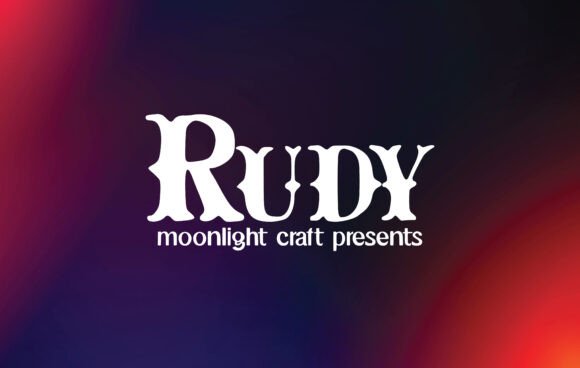
If you're looking to make your designs stand out with a touch of elegance and strength, Rudy is a font that deserves your attention. As a slab serif typeface, it brings a classic yet bold presence to any project. With its clean lines, sturdy structure, and refined aesthetics, Rudy has become a favorite among designers who want to create visual impact without sacrificing readability.
Why Designers Love Using Rudy
The appeal of Rudy lies in its versatility. It's not just another decorative font — it’s a tool that can elevate everything from branding to editorial layouts. Whether you're designing a corporate logo or a motivational quote for social media, Rudy adds a layer of sophistication that's hard to ignore.
- Logos: Many businesses use Rudy for their logos because it conveys trust and professionalism. Its slab serifs give the text a solid foundation, making it ideal for industries like finance, law, and hospitality where reliability is key.
- Branding: When building a brand identity, consistency is crucial. Rudy offers a unique look that can be used across business cards, websites, packaging, and more. The font’s strong character makes it easy to recognize, which is essential for brand recall.
- Quotes and Captions: In the world of content marketing, a well-designed quote can stop users in their tracks. Rudy’s boldness and clarity help quotes pop on Instagram posts, Pinterest pins, and even book covers.
- Magazines and Publications: The font works surprisingly well in print as well. Used in headings or pull-quotes, Rudy adds a modern twist to traditional layouts while maintaining legibility at smaller sizes.
Real-World Applications of Rudy
Let’s take a closer look at how different professionals and industries are using Rudy in real-life scenarios:
Graphic Designers
Graphic designers often turn to Rudy when they need a font that balances beauty and functionality. For example, when creating a poster for a local art gallery, using Rudy for the title gives it a timeless yet contemporary feel. The thickness of the serifs helps the text hold up under heavy graphic treatments, ensuring it remains legible and impactful.
Web Developers
In web design, fonts must perform well across various devices and screen sizes. Rudy has proven to be a reliable choice for headers and call-to-action buttons. Its contrast between thick and thin strokes enhances visibility on both desktops and mobile screens. This makes it especially useful for landing pages or portfolios where first impressions matter most.
Marketing Professionals
Marketers love Rudy for campaigns that require a sense of authority and approachability. Think about a promotional banner for a new product launch — Rudy can add gravitas without feeling too formal. It’s also popular in email subject lines and banners due to its high contrast and readability, helping increase engagement rates subtly but effectively.
Entrepreneurs and Small Business Owners
For small businesses aiming to build a memorable identity, Rudy can serve as a cornerstone. A boutique coffee shop might use it for signage or packaging to evoke warmth and quality. Similarly, a startup could leverage Rudy in their presentation decks to communicate confidence and innovation during pitches.
Who Can Benefit Most from Rudy?
Rudy is particularly well-suited for certain audiences and industries:
- Businesses in Traditional Industries: Law firms, banks, and insurance companies can benefit from the font’s professional appearance, which aligns with their industry’s expectations.
- Creative Agencies: These agencies often work on multiple projects requiring varied typography. Rudy serves as a go-to option for clients who want something bold but not overly flashy.
- Content Creators: Bloggers, YouTubers, and influencers frequently use Rudy in headlines and thumbnails. It’s perfect for creating visual hierarchy and drawing attention to key points.
- Educational Institutions: Universities and training centers sometimes use Rudy in brochures or certificates to give them a polished and authoritative look.
Choosing the Right Use Case for Rudy
While Rudy is versatile, it’s not always the best fit. Here are some considerations before applying it to your next project:
- Match the Message: Rudy is great for messages that are confident and clear. If your project leans toward whimsy or playfulness, you might consider pairing it with a lighter sans-serif or script font for balance.
- Consider Readability: Like all slab serifs, Rudy works best in larger sizes. Avoid using it for long paragraphs unless you’re prepared to adjust spacing and line height carefully.
- Check Cultural Context: In some regions, certain fonts carry specific connotations. Make sure Rudy aligns with the tone and perception you want to establish in your target market.
- Font Pairing: Pairing Rudy with a minimalist sans-serif like Helvetica or Open Sans can create a harmonious contrast. This combination is effective in many digital interfaces and print materials alike.
Practical Examples Where Rudy Shines
Here are a few examples of how Rudy has been successfully applied:
- A lifestyle brand uses Rudy in their product tags and website headers to highlight values like “quality” and “craftsmanship.” The font reinforces the brand’s premium positioning.
- A podcast host selects Rudy for their show titles and episode descriptions. The bold style helps the branding remain consistent across platforms like Spotify, Apple Podcasts, and YouTube.
- An event planner incorporates Rudy into invitation designs and venue signage for a wedding theme centered around vintage charm and modern simplicity. The result is a visually striking yet elegant aesthetic.
- A fashion blogger applies Rudy in blog post titles and Instagram captions to create a cohesive look that stands out in a crowded feed.
Strengths and Limitations of Rudy
Every font has its pros and cons, and Rudy is no exception. Understanding these can help you decide if it’s the right fit for your needs:
Strengths
- Bold Presence: Rudy commands attention with its weight and structure, making it excellent for headlines and titles.
- High Legibility: Despite being a slab serif, Rudy maintains good readability even at moderate sizes, which is rare in this category.
- Adaptable Style: It can transition smoothly from formal to casual settings depending on the design context and supporting elements.
- Timeless Appeal: The font doesn’t follow fleeting trends, so it remains relevant and professional over time.
Potential Limitations
- May Feel Too Heavy: In some cases, especially with large blocks of text, Rudy can appear overwhelming. It’s better suited for short phrases or headings.
- Limited Character Set (Depending on License): Some versions of Rudy may not include full support for special characters or languages beyond English, which could be a consideration for international projects.
- Not Ideal for All Screen Sizes: While it performs well on standard displays, it may need extra styling on ultra-high-resolution screens to maintain its intended effect.
How to Get Started with Rudy
If you're curious about trying Rudy in your next design project, here are a few tips to get you started:
- Download from Trusted Sources: Always ensure you're getting Rudy from a reputable provider to avoid licensing issues. Check the terms of use before downloading.
- Use in Layers: Combine it with subtle background textures or gradients to enhance its visual depth without overpowering other design elements.
- Test Across Media: Before finalizing a design, test how Rudy looks in print versus digital formats. Adjust size and color accordingly to maintain consistency.
- Explore Variants: Some versions of Rudy come with italics, condensed styles, or weights. Experiment with these to find the perfect match for your message.
Final Thoughts on Rudy
Rudy is more than just a font — it’s a creative ally. Its ability to blend classic typographic elements with modern design sensibilities makes it an invaluable asset in today’s visual landscape. Whether you're crafting a brand identity, designing a magazine layout, or simply wanting to add personality to a quote, Rudy can help you achieve your goals with style and substance.
By understanding its strengths and limitations, and by considering the context in which it will be used, you can unlock its full potential. And in doing so, you’ll find that Rudy isn't just beautiful — it's functional, adaptable, and ready to bring your ideas to life in a way that truly resonates with your audience.