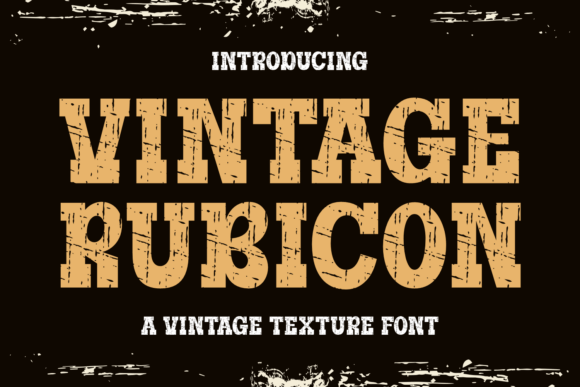
Vintage Rubicon: A Bold Slab Serif Font for Impactful Design
Fonts are more than just letters on a page—they’re the silent communicators of tone, personality, and intent. When you're looking to make a statement or add a touch of timeless authority to your design, Vintage Rubicon is a name that should come to mind. This bold and assertive slab serif font carries with it an air of confidence and classic craftsmanship, making it a versatile addition to any font library.
What Makes Vintage Rubicon Unique?
Vintage Rubicon stands out because of its strong character and clean, structured lines. As a slab serif typeface, it combines the traditional elegance of serifs with the modern readability of blocky, sturdy shapes. The weight and contrast of each letter give it a commanding presence without being overwhelming. Whether you're designing a logo, writing a blog post, or putting together marketing materials, this font has a way of drawing attention and conveying professionalism.
Why Slab Serifs Still Matter in Modern Design
Slab serif fonts have been around since the early 19th century but remain relevant today due to their ability to blend retro charm with contemporary clarity. They’re particularly effective in print and digital media where visual impact is key. Vintage Rubicon is no exception—it’s designed to be both nostalgic and functional. It doesn’t try too hard to look old; instead, it brings the best of vintage typography into the present with subtle refinements that suit modern aesthetics.
Use Cases Across Creative and Professional Fields
If you're a designer, marketer, blogger, or small business owner, you might wonder where to use Vintage Rubicon. Here are some realistic scenarios:
- Brand Identity Work: Think logos, brochures, or packaging for businesses in industries like craft beer, coffee shops, or artisanal goods. The font adds a sense of heritage and quality that aligns well with these markets.
- Print Media: Magazines, book covers, or even event posters can benefit from the font’s boldness and legibility. It commands space on the page while still being easy to read.
- Digital Marketing: Use it in headlines for landing pages, email campaigns, or social media posts where you want to grab attention quickly. Its weight helps it stand out against busy backgrounds.
- Personal Projects: From wedding invitations to family newsletters, Vintage Rubicon can lend a distinguished and warm feel that feels both professional and heartfelt.
- Academic Materials: Educators or publishers creating course handbooks, thesis titles, or educational posters can leverage the font’s clarity and gravitas to enhance credibility and engagement.
For Entrepreneurs and Small Businesses
Entrepreneurs often need to build trust and brand recognition fast. Vintage Rubicon can help by adding a layer of sophistication and reliability to your communications. For example, if you run a boutique clothing store or a handmade candle business, using this font in your storefront signage or product labels can create a lasting impression. It speaks to customers before they even read the message—suggesting quality, thoughtfulness, and a connection to tradition.
For Bloggers and Content Creators
Blogs and websites that focus on lifestyle, history, or storytelling can benefit from the right font choice. Vintage Rubicon works well as a headline font in blogs about travel, food, or vintage culture. Imagine a blog post titled “Rediscovering the Charm of Mid-Century Design” styled in Vintage Rubicon. The font reinforces the theme and sets the reader’s expectations before they’ve even clicked through.
How Freelancers Can Use Vintage Rubicon to Stand Out
Freelancers working in graphic design, web development, or content creation know how important it is to offer something unique. Adding Vintage Rubicon to your portfolio or client proposals can differentiate your work from the standard sans-serif crowd. For instance, when pitching a branding project to a local winery or bookstore, using this font in your presentation could subtly suggest that you understand the value of time-tested design elements.
Realistic Examples of Where It Shines
Let’s break it down with some real-life examples:
- Restaurant Menus: A cozy bistro might use Vintage Rubicon for its menu headers. The font gives off a rustic yet refined vibe, perfect for upscale casual dining.
- Podcast Titles and Artwork: Podcasters in niches like true crime, history, or storytelling often aim for a certain mood. Vintage Rubicon can help set that tone with its bold and confident structure.
- Stationery and Invitations: For handwritten-style cards or formal invites, pairing Vintage Rubicon with a softer script font can create a beautiful contrast between strength and delicacy.
- Product Packaging: If you're launching a line of leather goods or vintage-inspired home décor, this font can become part of the visual identity that communicates durability and style.
Considerations Before Using Vintage Rubicon
While Vintage Rubicon is powerful, it's not always the best fit for every situation. Here are a few things to consider before incorporating it into your projects:
- Readability vs. Style: Because it’s a bold slab serif, it’s best used in larger sizes. Avoid using it in body text unless you pair it with a complementary, more readable font.
- Color and Background Contrast: To really let the font shine, ensure there's enough contrast between the text and the background. Darker shades tend to highlight its strength better than pastels.
- Tone Matching: This font is ideal for themes that evoke nostalgia, tradition, or authority. But if your message is minimalist, tech-forward, or playful, it may not be the right match.
- Accessibility: Always test how the font looks across different devices and screen sizes. While it's bold, the details in the serifs can sometimes get lost at smaller scales.
Choosing the Right Weight and Pairing
Vintage Rubicon typically comes in several weights—light, regular, bold, and extra bold. Each has its own purpose. The bold variant is excellent for headlines, while the lighter versions can serve as subheadings or accent text. Pairing it with a clean, modern sans-serif like Montserrat or Lato can balance its weight and keep the overall design from feeling too heavy.
How Educators and Publishers Can Benefit
In academic and publishing settings, fonts play a crucial role in readability and perception. Vintage Rubicon isn’t just for flashy designs—it can also bring a sense of formality and respect to educational materials. For example, using it in the title of a textbook or the header of a research paper can signal seriousness and depth. However, it’s best reserved for headings and titles rather than full paragraphs, ensuring that students or readers aren't overwhelmed by dense blocks of bold text.
Designing Course Materials with Purpose
Imagine you're an educator preparing a course on typography or design history. You might choose Vintage Rubicon for your slide headers to reflect the era being discussed. It becomes more than just a font—it becomes part of the learning experience, helping students connect visually with the concepts they’re studying.
Practical Tips for Everyday Users
You don’t have to be a designer to appreciate the value of a good font. Hobbyists who create zines, scrapbooks, or personal websites can find Vintage Rubicon to be a game-changer. It adds a level of polish that makes their work feel more intentional and crafted. Even in simple word documents or PowerPoint presentations, using this font for section headers can instantly elevate the layout.
When to Avoid It
Despite its strengths, there are situations where Vintage Rubicon might not perform as well. Avoid using it in long paragraphs of body text, especially online. Also, be cautious when using it in very small sizes or on low-resolution screens. In such cases, the font’s intricate details may become unclear, defeating its purpose.
Connecting Features to Real Outcomes
The success of Vintage Rubicon lies in how it translates into real-world outcomes. Its boldness helps brands appear more trustworthy. Its clean lines ensure that even with a vintage feel, it remains accessible. And its versatility allows it to adapt across multiple platforms and purposes. By choosing this font, users can expect increased visual appeal, stronger brand alignment, and a more memorable user experience in both digital and print formats.
Building Trust Through Typography
Take the example of a local hardware store redesigning its website. By using Vintage Rubicon in key sections like testimonials or featured products, the site conveys reliability and authenticity. Customers browsing the site are more likely to perceive the brand as dependable and high-quality, simply because of the font choices.
Final Thoughts on Choosing Vintage Rubicon
Selecting the right font is a decision that affects everything from brand perception to user engagement. Vintage Rubicon is a standout option for anyone looking to add a touch of boldness and tradition to their work. Whether you're crafting a new brand identity, designing a poster for a community event, or simply trying to give your latest project a little more oomph, this font can deliver results.
Before downloading or purchasing, take a moment to visualize how it will look in your specific context. Does it match the tone of your message? Will it stand out where it needs to? These are practical questions that will guide you toward using Vintage Rubicon effectively. Once you do, you’ll see how a thoughtful font choice can transform not just the look of your work—but the impact it makes on your audience.