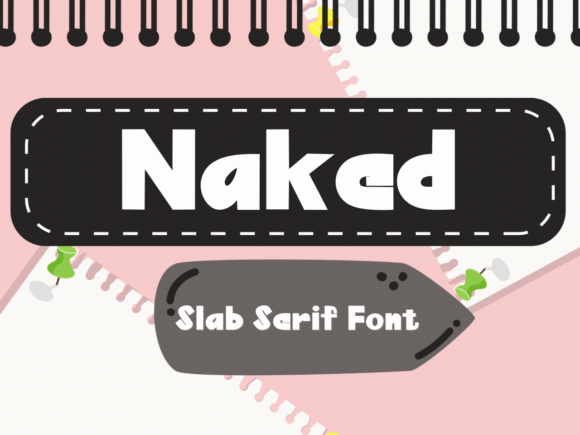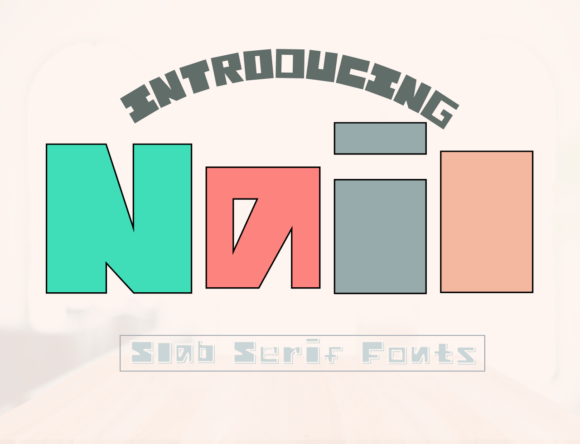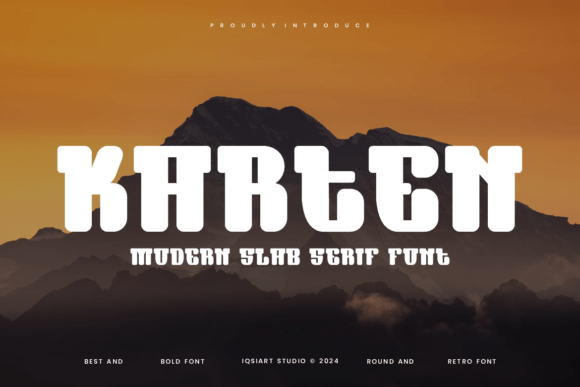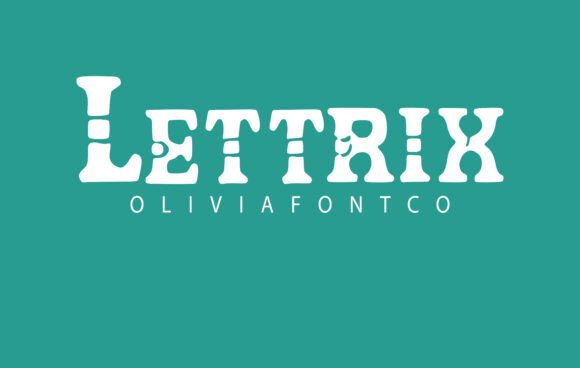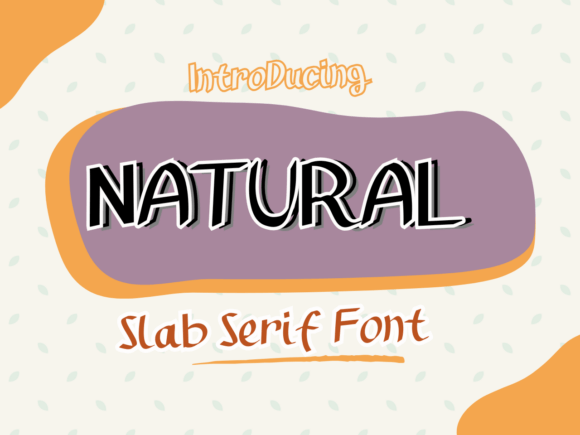
Natural: A Bold and Assertive Slab Serif Font
Natural is more than just a font—it's a powerful design tool that can transform any project with its confident, modern aesthetic. This slab serif typeface combines the strength of traditional serif fonts with the clean lines of contemporary design, making it an ideal choice for a wide range of creative applications. Whether you're working on a logo, a website, or a printed brochure, Natural brings a sense of authority and clarity that stands out.
Its bold strokes and uniform weight give it a strong visual presence, while the subtle serifs add a touch of sophistication. The letterforms are well-proportioned and balanced, ensuring that Natural remains legible even at smaller sizes. This makes it particularly useful for headings, titles, and other elements where impact and readability are essential.
Where Natural Shines in Design
Natural excels in projects that require a strong visual identity. It’s especially effective in logo design, where its assertive style can convey confidence and professionalism. For editorial design, Natural adds a dynamic feel to headlines, making it perfect for magazines, newspapers, and digital publications. Its clean structure also works well in packaging design, where it can help products stand out on shelves.
In web design, Natural can be used as a display font to draw attention to key messages or calls to action. When paired with simpler sans serif fonts, it creates a balanced contrast that enhances readability without sacrificing style. Social media graphics, email newsletters, and presentation slides can all benefit from the font’s bold personality, making it a versatile addition to any designer’s toolkit.
For print materials like business cards, brochures, and posters, Natural offers a premium look that feels both modern and timeless. Its ability to maintain clarity at different sizes ensures that it works well across various formats, from large banners to small labels.
The Impact of Natural on Branding and Communication
Typography plays a crucial role in how audiences perceive a brand. Natural’s strong, consistent stroke weights create a sense of reliability and professionalism, which can help reinforce a brand’s message. When used effectively, it contributes to a cohesive visual identity that resonates with target audiences.
Readability is another key factor in successful design. Natural’s clear letterforms make it easy to read, even in dense text blocks. This makes it a great option for long-form content, such as articles, reports, and marketing copy. Its balance between boldness and legibility ensures that it doesn’t overwhelm the reader but still commands attention.
When considering font pairings, Natural pairs well with both serif and sans serif fonts. For a classic look, try pairing it with a traditional serif like Georgia or Times New Roman. For a more modern approach, combine it with a clean sans serif like Open Sans or Lato. These combinations can help create a visual hierarchy that guides the viewer’s eye through the content.
Choosing the Right Fit for Your Project
Before using Natural, consider the purpose of your project. Is it for a high-impact headline, a professional document, or a creative artwork? Understanding the context will help you determine whether this font is the right choice. For example, if you’re designing a children’s book, a more playful or handwritten font might be more appropriate. But for a corporate website or a luxury product launch, Natural’s refined strength could be exactly what you need.
Testing is essential when evaluating a font. Use it in different sizes and contexts to see how it performs. Does it hold up in small text? Does it work well with your color scheme and layout? These questions can help you decide if Natural is the best fit for your needs.
Reviewing the font’s available styles is also important. Many slab serif fonts come in regular, bold, italic, and condensed variations. These options give you more flexibility in how you use the typeface. If your project requires multiple weights, make sure the font family includes them.
Practical Tips for Using Natural
If you're new to using slab serif fonts, start by applying Natural to a single element, such as a headline or a logo. This allows you to get a sense of its visual impact without overwhelming your design. Once you’re comfortable, experiment with using it in more complex layouts.
When working on commercial projects, always check the licensing terms. Some fonts are free for personal use only, while others require a license for commercial applications. Make sure you understand the restrictions and permissions associated with Natural before using it in a paid project.
Finally, remember that typography is about communication. Natural is a strong, versatile font, but it’s not a one-size-fits-all solution. Choose it because it aligns with your design goals and the message you want to convey. With the right approach, Natural can become a valuable asset in your design arsenal.