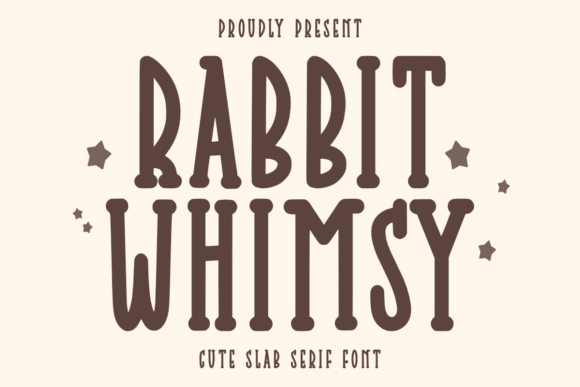
Rabbit Whimsy: A Minimalist Font with a Playful Touch
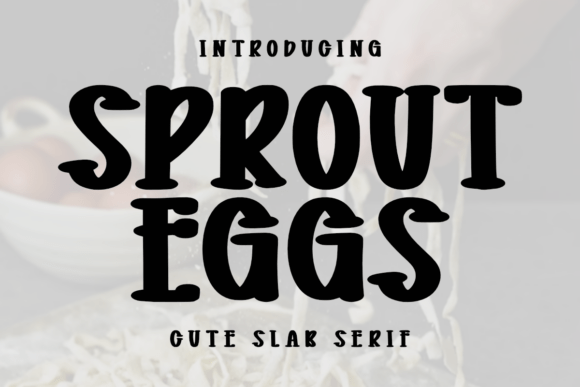
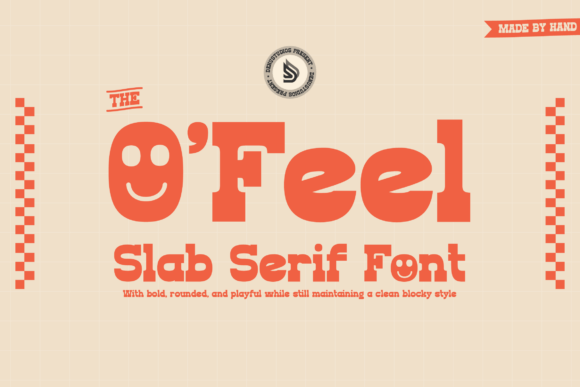
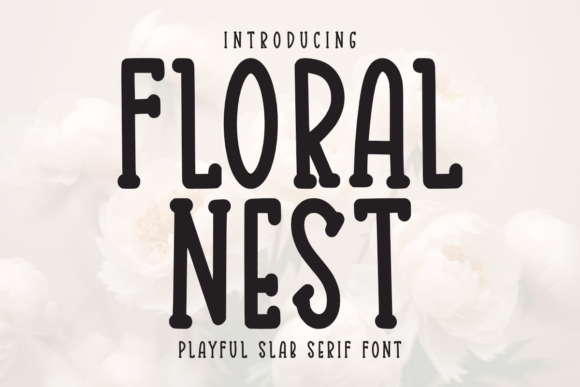
Rabbit Whimsy is a charming and minimalist slab serif font that brings a touch of whimsy to any design project. With its clean lines, subtle character quirks, and versatile nature, it’s no wonder this font has become a favorite among designers, entrepreneurs, bloggers, educators, and hobbyists alike. Whether you're creating greeting cards, wedding invitations, gift labels, mugs, t-shirts, or simply showcasing quotes, Rabbit Whimsy offers the perfect blend of elegance and playfulness.
Why Rabbit Whimsy Stands Out
In a world where typography choices can make or break visual appeal, Rabbit Whimsy distinguishes itself by balancing simplicity with personality. Slab serif fonts are known for their strong, block-like serifs, but Rabbit Whimsy softens the edges just enough to feel approachable and warm. This makes it ideal for projects where you want to convey creativity without overwhelming the reader.
Its minimalist aesthetic ensures readability while adding a unique flair that can elevate your brand identity or personal designs. Because it's not overly decorative, it works well in both digital and print formats — from website headers to physical merchandise like mugs and apparel. The font’s adaptability allows it to fit seamlessly into various themes, whether modern, vintage, or somewhere in between.
Common Mistakes When Choosing Rabbit Whimsy
Despite its popularity, many users fall into traps when selecting or using Rabbit Whimsy. One common mistake is assuming it works equally well in all contexts. While it shines in casual and creative settings, it may not be the best choice for body text in long-form content due to its slightly playful tone and slab serif structure.
- Using it for small text sizes: The font's details can get lost at smaller sizes, reducing legibility and impact.
- Mixing it with too many other fonts: Overuse of multiple fonts can create visual clutter and dilute the message you're trying to convey.
- Ignoring spacing and contrast: Poor kerning or lack of contrast with background colors can make the text harder to read.
How These Mistakes Affect Your Design
Choosing the right font is more than aesthetics; it’s about communication and usability. Using Rabbit Whimsy incorrectly can lead to a number of issues:
- Reduced readability: If used for dense paragraphs or tiny text, it might strain the viewer’s eyes, especially on screens.
- Confused branding: Mixing Rabbit Whimsy with other contrasting styles can send mixed messages about your brand’s tone and professionalism.
- Poor visual hierarchy: Failing to pair it with complementary fonts or adjust spacing can disrupt the flow and make important elements hard to spot.
Practical Tips for Using Rabbit Whimsy Effectively
To ensure your use of Rabbit Whimsy enhances rather than hinders your design, follow these guidelines:
1. Use It as a Display Font
Rabbit Whimsy excels in display roles such as headings, titles, logos, and short phrases. For example, if you’re designing a wedding invitation, use Rabbit Whimsy for the main title to add charm and warmth, then switch to a sans-serif font like Arial or Helvetica for the body text to maintain clarity.
Better approach: Limit Rabbit Whimsy to key focal points. Avoid using it for lengthy paragraphs or captions that require high readability.
2. Pay Attention to Spacing and Kerning
Because of its bold slab serifs, Rabbit Whimsy can appear cramped if not given enough breathing room. Improper spacing can cause characters to feel disconnected or even unreadable in certain compositions.
Solution: Adjust letter spacing (kerning) manually in design software like Adobe Illustrator or Canva. Also, consider increasing line height slightly to enhance readability, especially in multi-line text blocks.
3. Choose the Right Color Contrast
Font color plays a crucial role in how Rabbit Whimsy is perceived. Too much contrast can make it look harsh, while too little can render it invisible.
Example: A light gray Rabbit Whimsy font on a white background may seem washed out. Instead, try a deep navy or muted pastel for a softer yet clear effect.
4. Don’t Forget About Licensing
Another often-overlooked detail is font licensing. Many users download Rabbit Whimsy from free sources only to discover later that it doesn't support commercial use, which could lead to legal complications if they're using it for product designs or marketing materials.
What to check: Always verify the license type before downloading or purchasing Rabbit Whimsy. Look for terms like "commercial use" or "for profit" to ensure it fits your needs. Reputable platforms like Creative Market, MyFonts, or Google Fonts will clearly outline usage rights.
Comparing Rabbit Whimsy to Similar Fonts
When evaluating Rabbit Whimsy, it's helpful to compare it with similar minimalist slab serif fonts like Bebas Neue, Lato, or Raleway. Each has its own strengths, but Rabbit Whimsy stands out for its balance between playfulness and professionalism.
For instance: Bebas Neue is bolder and more geometric, making it better suited for large-scale signage. In contrast, Rabbit Whimsy’s subtle curves give it a friendlier appearance, ideal for greeting cards or boutique packaging.
If you're unsure whether Rabbit Whimsy is the right choice, test it alongside other options in your actual project context. Sometimes, a font looks great in isolation but clashes with your overall design style when applied.
Where to Download or Buy Rabbit Whimsy
Rabbit Whimsy is available through several trusted font marketplaces. Before purchasing or downloading, always confirm the platform's credibility and the font's license agreement. Here are some reliable sources:
These platforms often offer previews so you can see how the font looks across different sizes and weights before committing. Some may also provide variations like bold, italic, or condensed styles — something to consider if you need more flexibility in your design.
Free vs. Paid Versions
A word of caution: avoid relying on unverified free versions of Rabbit Whimsy. While there may be free alternatives that resemble it, they likely don’t offer the same quality or legal protections. Investing in the official version ensures access to all character sets, proper licensing, and consistent performance across platforms.
Design Scenarios Where Rabbit Whimsy Shines
Rabbit Whimsy is particularly effective in the following scenarios:
- Greeting Cards: Its friendly and elegant look adds a personal touch that feels inviting and sincere.
- Wedding Invitations: Pair it with floral accents or soft color palettes to create a whimsical yet sophisticated vibe.
- Merchandise Labels: From mugs to tote bags, Rabbit Whimsy helps craft memorable and visually appealing product names or slogans.
- Quotes and Social Media Graphics: Its bold presence works wonders for highlighting motivational or inspirational text.
Pro tip: Try layering Rabbit Whimsy with subtle textures or gradients to give it more depth without compromising its minimalist essence.
What to Consider Before Finalizing Your Choice
Before deciding to use Rabbit Whimsy in your next project, ask yourself a few key questions:
- Is the font appropriate for the size and purpose of my design?
- Does it align with the tone and style of my brand or message?
- Will it be readable across all devices and media types?
- Am I using it in compliance with the licensing agreement?
Answering these honestly can help you avoid missteps and choose the best font for your specific needs. Remember, the goal isn't just to pick an attractive font — it's to pick one that supports your message and resonates with your audience.
Final Thoughts
Rabbit Whimsy is a delightful addition to your typography toolkit when used thoughtfully. By understanding its strengths and limitations, you can harness its potential to create engaging, professional, and aesthetically pleasing designs. Just keep in mind that every font tells a story — and with Rabbit Whimsy, it’s a tale of charm, clarity, and creativity.
So take the time to preview, test, and understand the nuances of Rabbit Whimsy. When done right, it can transform your work from ordinary to extraordinary — all while staying true to its minimalist roots.